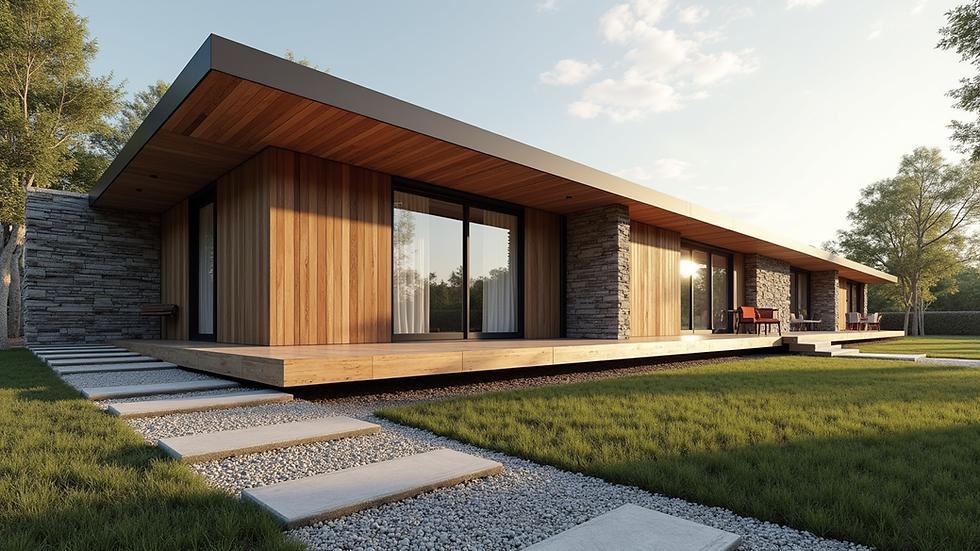
Choosing a home is about more than comparing photographs or a headline price. The construction method affects how a project is planned, what work happens at the home site, which professionals need to be involved, and how the final budget comes together. Modular construction and traditional site-built construction can both be good choices; the right fit depends on the home, the land, local requirements, and the buyer’s priorities.
Use this guide to compare the process carefully. Martin Boxabl showcases modern housing options and helps buyers explore the next questions; it does not replace advice from your local building department, lender, surveyor, or licensed contractor.
What “modular” and “site-built” mean
A modular home is made in sections in a controlled production setting and transported to a prepared site for placement and completion. “Prefab” is a broader term for components or buildings made before they reach the property. A traditional site-built home is assembled primarily at the property. Product labels vary, so ask the manufacturer exactly what is factory-completed, what arrives on the truck, and what remains to be done locally.
Modular homes should not be confused automatically with manufactured homes. The applicable construction standards and approval process depend on the specific product and jurisdiction. Ask for the code or certification documents that apply to the model you are considering, then verify them with your local authority.
Compare the full project, not just the home price
A quoted unit price may not include land, surveys, engineering, permits, foundation work, transport, crane or setting services, utility connections, access improvements, taxes, or finish work. Site-built proposals can also vary in what they include. Put both options on the same written scope before comparing totals.
- Land and access: Confirm setbacks, easements, slope, soil conditions, road access, turning space, and any delivery restrictions.
- Site preparation: Ask who handles clearing, grading, drainage, foundation design, and inspections.
- Delivery and setting: Request a route and access review, a description of setting equipment, and a clear list of delivery-day responsibilities.
- Utilities and completion: Confirm connection points, service capacity, local trades, interior or exterior completion, and final inspection requirements.
- Contingency: Keep a realistic allowance for discoveries on the property and changes required by local review.
For a starting point, browse the homes and housing options Martin Boxabl showcases, then use the home design gallery to compare visual approaches. Listings and product details can change, so confirm current specifications and availability directly before making a decision.
Think about schedule in stages
Factory production can happen alongside some site work, but that does not remove the time needed for design decisions, financing, approvals, engineering, site preparation, transport coordination, and inspections. Ask for a project schedule that names each stage, the person responsible, the dependencies, and the events that could move the date. Compare that with a site-built schedule based on a similarly complete scope.
Evaluate design and future use
Review the actual floor plan, storage, daylight, privacy, accessibility, heating and cooling approach, maintenance needs, and options for future changes. Ask which finishes and fixtures are standard and which cost extra. If you need a particular room arrangement or expansion path, get that answer in writing rather than relying on a rendering.
Questions to ask before choosing
- What exactly is included in the quoted price, and what is excluded?
- Which local permits, approvals, and inspections are required for this model and parcel?
- Who is responsible for foundation design, utility connections, transport, setting, and finish work?
- What site conditions could prevent delivery or require additional work?
- What warranty applies to the home and to work completed by local contractors?
- Can I review the plans, specifications, code documentation, and contract before paying a deposit?
There is no universal winner between modular and traditional construction. A modular home may suit a buyer who values factory-built components and a defined product specification; a site-built project may suit someone who needs a highly individualized design or has a local team already in place. The useful comparison is a complete, locally reviewed project plan.
Ready to discuss your options? Contact Martin Boxabl with your location, intended use, and questions. For background on the company, visit About Martin Boxabl.